
What is society’s most urgent problem, and what can we do to solve it?
Though night falls like a silk quilt over a small Louisiana town, the air remains thick with toxic chemicals, heavy with anguish.
Petrochemical plants pollute the environment with around 50 carcinogens, including chloroprene, giving the region its infamous nickname: Cancer Alley. Children in the neighborhood are exposed to 400–700 times more chloroprene than the US Environmental Protection Agency’s recommended maximum annual average for emissions.
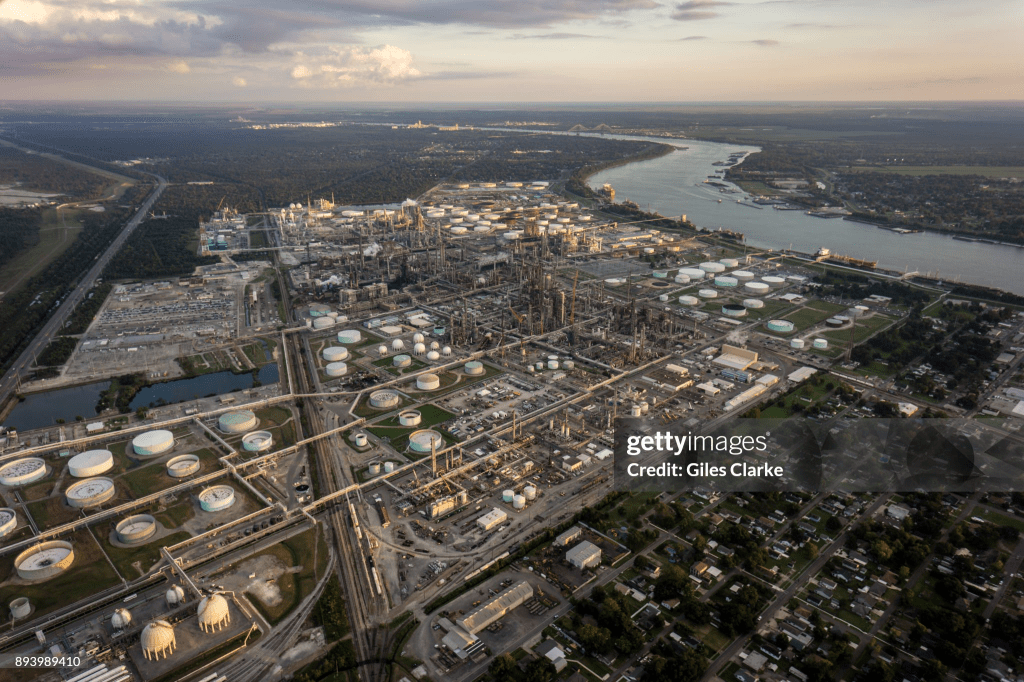
As those in power remained silent against residents’ pleas for help, this once-thriving community became a ghost town, its people left behind with abnormally high cancer rates. In fact, a few months ago in March, the Department of Justice shamelessly dropped the environmental justice litigation that had been filed in February 2023. While reporting this story for journalism, I recognized the crux of the issue: a blatant lack of empathy.
On a fundamental level, the majority of global issues — from anthropogenic climate change to democratic backsliding to severe wealth inequality — stems from lack of empathy. As seen in Cancer Alley, when we prioritize our desires, whether it be profit, power, or convenience, communities disintegrate. When we dismiss others’ struggles, our indifference allows evil to endure. At the highest positions of power, this lack of empathy has the most direct impact on the rest of society. People’s needs are neglected; lives are sacrificed.
As a student who cares about social justice and the well-being of our planet and people, I was deeply distressed and frustrated with the lack of progress — and, at times, outright regression — in solving urgent issues, especially environmental and social injustice and climate change. Sometimes, I wished I could stop caring so much. Yet, empathy is not a sign of submission but rather utmost strength.
Seeking solidarity, I engaged in honest discussions with other thoughtful individuals, including people living across the world from me. Within these multicultural communities, I realized that empathy is the essential clay to unify people from diverse backgrounds and mold a strong community.
Only when we unify with purpose can we take effective action on pressing issues. Though global leaders, such as politicians, make direct change through policies, we the people have the power to drive discussion on certain topics, such as climate change, and compel leaders to address our needs, such as rigorous laws that fine major polluters. The value that can realize this potential and drive unified, collective action is empathy.
Upon understanding that empathy carries such sweeping significance, I determined that, as a society, we must focus on cultivating empathy to be one of our most crucial, non-negotiable values. After contemplating the actionable steps I could take from my position as a student, I founded Empathify with this exact purpose: help children cultivate empathy early on in life.
This can best be done through social-emotional learning (SEL), because SEL provides a framework to reflect on and address concerns, emotions and situations with clarity and understanding.
For now, we focus on two primary aspects: positive social-emotional development and intercultural exchange. Regarding the first aspect, we train students to communicate with empathy, which often involves asking genuine questions and listening thoughtfully. Learning empathetic language will help children build meaningful connections with others as they grow up. As for cultural exchange, we give students the space to learn about diverse cultures, including history, traditions, and values, and encourage students to share their own unique perspectives during open discussions.
Moving forward, we must create a community of caring citizens who can connect deeply with each other and give back to the world. By cultivating mindful communication and cross-cultural understanding, we can learn to overcome lack of empathy. As our planet and lives are in danger, we have no other choice. Together, we are capable of positive change.
For those wondering: As for the residents of Cancer Alley, thanks to their perseverance and tireless advocacy, they recently won a petrochemical suit appeal in the U.S. Court of Appeals for the Fifth Circuit on April 9. This decision allows the residents to seek a moratorium on new petrochemical plant construction and expansion. Today, the residents are still fighting for justice. We can demonstrate solidarity and empathy by contacting Louisiana officials and federal environmental agencies — calling for stricter petrochemical regulation and justice for Cancer Alley, or urging the EPA to enforce the Clean Air Act in St. James Parish. Imagine if 200 million of us did this. Would those in power be able to continue ignoring our voices then?
 Empathify
Leave a comment